
Teaching Note
Teaching Time: Two instructional class sessions (approximately three total hours)
Preparation Requirements: Prior completion of assigned textbook readings on the 4Ps of Marketing and market segmentation concepts
Overview
In response to rapid demographic shifts in Ocean County, New Jersey, Bosonac Orthodontics faced a critical strategic decision regarding its future target market and promotional strategy. As the Orthodox Jewish population in nearby Lakewood expanded rapidly, the practice experienced a decline in its traditional American patient base, resulting in underutilized treatment capacity. Dr. Brian Bosonac, owner of Bosonac Orthodontics, was required to determine whether and how the practice should adapt its marketing approach to engage this technology-averse, insular community while still maintaining profitability among its primary market. The central dilemma concerned whether Bosonac Orthodontics should (1) pivot its marketing efforts to focus primarily on the Orthodox Jewish community, (2) develop a dual-target strategy serving both Orthodox and traditional American families, or (3) continue its existing strategy and increase investment in digital marketing to offset population changes. This case required students to evaluate target market selection and promotional strategy in the context of cultural sensitivity, media constraints, and population-driven market change.
Bosonac Orthodontics, previously bustling with traditional American patients, saw its treatment chairs becoming increasingly empty due to the influx of the Orthodox Jewish community, known for their conservative values, technology aversion, and preference for conducting business within their own religion. Dr. Brian Bosonac realized that failing to engage with the Orthodox community could jeopardize the practice’s profitability and long-term viability. Bosonac Orthodontics, which had relied heavily on digital media, was compelled to reassess its marketing strategy, as these platforms are restricted within the Orthodox community.
However, gaining awareness within this insular population, which avoids internet use, prohibits television, and maintains strict gender segregation, proved difficult. The practice needed to adapt quickly, evaluate the best strategic move, and pivoting away from their reliance on social media and online reviews.
This situation required Dr. Bosonac to conduct a thorough analysis of population trends, identify a new target market, understand the unique values and beliefs of the Orthodox community, and develop innovative marketing strategies to ensure the future success of Bosonac Orthodontics.
Introduction
Bosonac Orthodontics is a private practice offering comprehensive dento-facial treatments primarily for children, but also for adults, in Brick, Howell, Toms River, and Lakewood. Dr. Bosonac has been recognized as a New Jersey Top Dentist for 15 consecutive years. To maintain its status as the premier dento-facial provider in Ocean County, New Jersey, Bosonac Orthodontics acknowledged the need for strategic changes to ensure inclusion and profitability.
The practice faced three key options for refining their target marketing strategy:
-
Abandon the current focus on traditional American families and exclusively target the growing Orthodox Jewish community.
-
Create a secondary, targeted campaign for Orthodox Jews, while continuing to prioritize American families as the primary market.
-
Maintain the existing strategy of targeting only traditional American families but invest additional funds into marketing and advertising to enhance business growth.
Each of the three alternatives required modifying the marketing and promotional strategy to align with the chosen target audience. These adjustments introduced additional challenges for Dr. Bosonac, including:
-
Identifying effective marketing channels to reach the Orthodox community.
-
Creating new promotional materials tailored specifically to the Orthodox audience.
Information about Office Vicinity
Lakewood, New Jersey, located just 5 miles from their office, is one of the fastest-growing areas in the state. It is home to the largest yeshiva in the U.S. and houses over 100,000 Orthodox Jewish residents (Barchenger, 2018). Cramer (2021) projected that if the current growth rate of 46% continues, Lakewood could become the third-largest town in New Jersey by the 2030 census. The median age in Ocean County fell from 24.6 years in 2010 to 18.5 years in 2020, reflecting a high birth rate (Cervenka, 2022). While secondary data on income or purchasing power was not available, Deutch (2022) noted visible signs of wealth in Lakewood, such as luxury cars, mini-mansions, and designer clothing. It is important to recognize that while this community is significant, it comprises only about one-sixth of the total population of Ocean Township, New Jersey.
About the Orthodox Jewish Population
To better understand the Orthodox Jewish community and its unique principles, customs, and rituals, a secondary research study was conducted. Dr. Bosonac recognized the necessity of thorough marketing research before launching a targeted campaign. The literature review uncovered the following key insights about Orthodox Jews:
-
Large families, averaging 4.1 children per household (Pew Research Center, 2015).
-
The community is cautious about internet use and does not permit television (Freeman, 2023).
-
Rooted in devotional religious practices and ancient customs, the community values its isolation (Freeman, 2023).
-
Men wear distinctive garments, while women dress modestly and cover their hair.
Marketing Strategy
Previously, Dr. Bosonac had invested heavily in digital marketing, using platforms like Facebook, Instagram, Google Ads, and online reviews to attract patients. Analytics proved that these methods were effective with traditional American families. Recognizing that Orthodox individuals adhere to strict guidelines regarding technology use, Dr. Bosonac realized the need to shift to traditional marketing mediums and rely on word-of-mouth referrals if it sought to target or sub-target this group.
The challenge was selecting the most effective traditional marketing medium to reach the Orthodox population. Options under consideration included direct mail, magazines, radio, newspapers, and billboards.
Since many in the Orthodox community rely on print media for news and information, Dr. Bosonac considered placing ads in The Voice, a reputable local Orthodox newspaper with a 20-year history. Key questions to address included:
-
Is print media the most effective way to reach this audience?
-
Should funds be allocated for a professional graphic designer, or should the advertisement be designed in-house to save money?
-
What ad size and package length would be most effective?
-
Should the office invest in specialty positions or advertorials?
Dr. Bosonac considered proceeding with a newspaper marketing campaign to target the Orthodox community and debated whether designing the advertisement in-house, with minimal graphic design expertise, was an appropriate use of limited resources. This uncertainty raised key questions for decision-makers: Was newspaper advertising the most effective medium for reaching this audience, and could an in-house advertisement generate sufficient credibility and response?
While newspaper advertising offered a culturally appropriate channel to increase awareness within the Orthodox community, Dr. Bosonac recognized that awareness alone would not necessarily translate into patient adoption. Given the community’s strong preference for conducting business within its own social and religious networks, trust-building and word-of-mouth validation were essential considerations. As a result, the effectiveness of print advertising depended not only on media selection, but also on the practice’s ability to establish credibility and acceptance within the community.
Furthermore, population data showed that while Lakewood was changing, the surrounding towns of Howell, Toms River, and Brick remained predominantly conventional American communities. Therefore, Dr. Bosonac considered creating separate marketing plans for American families and the Orthodox Jewish community.
Conclusions
The Orthodox Jewish community presented both an opportunity and a challenge for Bosonac Orthodontics. A critical decision remained regarding the most effective target marketing strategy. While newspaper advertising represented one potential approach, uncertainty remained regarding whether it was the optimal strategy. The practice needed to determine how to balance trust-building efforts within the community, potential word-of-mouth strategies, and the ongoing needs of its primary target market.
Key Words: 4P’s, target market, promotional marketing, newspaper marketing, secondary target markets, segmenting, subcultures, traditional advertising, population trends, demographics, positioning, Kotler.
References
Barchenger, S. BMG: How this Orthodox Jewish school and its leader turned Lakewood into NJ’s boom town. https://www.app.com/story/news/local/communitychange/2018/04/25/bmg-lakewood-nj-yeshiva-beth-medrash-govoha/1066234001/2018
Cervenka, S. (2022, August 5). Ocean no longer oldest counties. USA Today. https://www.newspapers.com/article/117358089/census-shows-demographic-changes-in/
Cramer, P, (2021). Orthodox areas are among the fastest growing in New York and New Jersey, census data shows. https://www.jta.org/2021/08/18/ny/orthodox-areas-are-among-the-fastest-growing-in-new-york-and-new-jersey-census-data-shows
Deutch, G. (2022). Inside New Jersey’s Orthodox boomtown.
https://jewishinsider.com/2022/02/inside-new-jerseys-orthodox-boomtown/
Pew Research Center. (2015). A portrait of American Orthodox Jews. https://www.pewresearch.org/religion/2015/08/26/a-portrait-of-american-orthodox-jews/
Teaching Note
Straightening Smiles and Strategies: Orthodontist Targets New Markets Amid Population Shifts
Author: Ashley Elmore-Bosonac, Ph.D.
Monmouth University
Teaching Time: Two instructional class sessions (approximately three total hours)
Preparation Requirements: Prior completion of assigned textbook readings on the 4Ps of Marketing and market segmentation concepts
Overview
In response to rapid demographic shifts in Ocean County, New Jersey, Bosonac Orthodontics faced a critical strategic decision regarding its future target market and promotional strategy. As the Orthodox Jewish population in nearby Lakewood expanded rapidly, the practice experienced a decline in its traditional American patient base, resulting in underutilized treatment capacity. Dr. Brian Bosonac, owner of Bosonac Orthodontics, was required to determine whether and how the practice should adapt its marketing approach to engage this technology-averse, insular community while still maintaining profitability among its primary market. The central dilemma concerned whether Bosonac Orthodontics should (1) pivot its marketing efforts to focus primarily on the Orthodox Jewish community, (2) develop a dual-target strategy serving both Orthodox and traditional American families, or (3) continue its existing strategy and increase investment in digital marketing to offset population changes. This case required students to evaluate target market selection and promotional strategy in the context of cultural sensitivity, media constraints, and population-driven market change.
From a theoretical perspective, this case was grounded in Kotler’s market segmentation framework, which categorizes consumers based on geographic, demographic, psychographic, and behavioral variables (Kotler & Keller). Students were required to evaluate how population shifts altered the geographic and demographic composition of Ocean County, while cultural norms, technology aversion, and trust-based decision-making within the Orthodox Jewish community reflected distinct psychographic and behavioral segmentation characteristics. This framework reinforced the application of formal segmentation theory to a complex, real-world managerial decision. In addition, the case incorporated word-of-mouth and referral-based influence as key consumer behavior mechanisms within tight-knit communities, where trust, social networks, and interpersonal recommendations significantly shape decision-making.
In addition to segmentation and target market selection, the case required students to evaluate positioning implications associated with serving culturally distinct market segments. Specifically, students were asked to consider how Bosonac Orthodontics’ value proposition, messaging tone, and brand cues would need to differ when targeting the Orthodox Jewish community versus traditional American families, and whether a single brand could effectively support multiple positioning strategies without brand dilution.
Bosonac Orthodontics faced a challenge as the technology-averse and highly conservative Orthodox Jewish community flocked into Lakewood, New Jersey, leaving their treatment chairs unoccupied. To maintain their position as the leading dento-facial provider in Ocean County, the practice needed to revamp its marketing strategies and make crucial decisions regarding target market selection.
Although newspaper advertising provided a culturally appropriate channel for increasing awareness within the Orthodox community, adoption was constrained by strong in-group loyalty and trust norms. As discussed in the case, meaningful acceptance required endorsement from within the community. In this context, the association with an Orthodox dentist (Dr. Boim) functioned as a trust-transfer mechanism rather than a traditional promotional tactic, highlighting the limits of media-based persuasion in culturally insular markets.
This case is ideal for undergraduate students in Principles of Marketing, Advertising, or Consumer Behavior courses. Students will apply their understanding of the 4Ps of marketing, target marketing, and segmentation to a real-world business scenario. Students will analyze demographic trends, explore the values and beliefs of a unique subculture, and develop innovative marketing strategies to effectively reach this secondary target market. They must also consider how to align marketing mediums and strategies with the chosen target audience.
Learning Outcomes
-
Analyze population trends using segmentation criteria to assess target market attractiveness and strategic fit, evaluate the rationale for selecting primary versus secondary target markets, and assess positioning and word-of-mouth implications associated with serving culturally distinct segments.
-
Assess the effectiveness of newspaper marketing and propose alternative strategies and improvements.
Research Methods
Data was collected through primary research. Interviews were conducted with Dr. Brian Bosonac and office manager Clair Gallagher. (Bosonac, 2023) (Gallagher, 2023). This case was undisguised.
Discussion Questions
Various discussion questions were designed to help students apply their knowledge of marketing promotions and segmentation. These questions were aligned with the learning outcomes. Refer to Tables 1 and 2 for a breakdown of the learning objectives and corresponding student questions.
Answers to Discussion Questions
1) Consider the Target Market Selection Model and evaluate the Orthodox Jewish target selection based upon the five required elements outlined in the model. (Hint: what information was found in the case that aligns with the 5 parts? Are there any areas where Bosanac Orthodontics should collect additional data?)
- See Other Pedagogical Materials #1
Students should apply the concepts of the case to the Target Market Selection Model. This model is outlined in Other Pedagogical Materials #1. The model addresses five key areas that must be considered and researched to select an appropriate target market. See Table 3 for a sample student answer.
This analysis encouraged students to move beyond surface-level demographic trends and critically assess whether the Orthodox Jewish community constituted a viable target market when evaluated against formal segmentation criteria. Importantly, the case highlighted gaps in data availability, reinforcing the distinction between market size and market attractiveness.
Consistent with Kotler’s criteria for effective market segmentation, students evaluated the Orthodox Jewish market using the dimensions of measurability, accessibility, substantiality, differentiability, and actionability.
2) Evaluate the decision to establish both a primary target market of traditional American patients and a secondary target market of Orthodox Jews. Should Bosonac Orthodontist decide to simply focus exclusively on traditional American patients, exclusively on Orthodox Jews, or continue developing two distinct target markets?
Drawing on Kotler’s target market selection principles, students were encouraged to assess not only market growth, but also strategic fit, organizational capability, and long-term brand implications when evaluating exclusive versus dual-target strategies. The case was intentionally structured to avoid presenting a single “correct” target selection decision. Instead, students were required to weigh the strategic trade-offs associated with exclusive targeting, dual targeting, and market refocusing. This framing emphasized the realities of limited resources, cultural sensitivity, and long-term brand positioning, all of which complicate real-world target selection decisions.
The case revealed that the Orthodox community is rapidly growing. As such, it is a market that should not be ignored. Census data predicts that Lakewood is projected to become the third largest town in New Jersey by the next 2030 census due to the influx of Orthodox Jews.
However, the Orthodox population only encompasses approximately one-sixth of the total number of residents of Ocean County, New Jersey. As such, the primary target market of traditional American patients should not abandon. Focusing exclusively on Jews would not ensure enough patients for the office to be profitable.
Bosonac Orthodontics could consider continuing to allocate resources to a primary target market of traditional American patients while selectively engaging the Orthodox market as a secondary segment. It was currently unknown how technology-averse the community was and how the marketing budget should be allocated for each target at that time. The office must also seek additional ways to balance the needs of both targets.
Promotional strategy analysis in this case aligned with Kotler’s promotion mix framework, which emphasizes matching communication channels to audience characteristics, message objectives, and environmental constraints. Students were required to evaluate whether traditional print media functioned as an effective promotional tool not merely in terms of reach or cost, but as a culturally appropriate trust-building mechanism within a technology-averse market. Students were also encouraged to consider the role of word-of-mouth communication within the Orthodox Jewish community, where tightly connected social networks amplify the impact of personal referrals. Unlike traditional advertising, referrals from trusted community members can significantly reduce perceived risk and accelerate adoption of services. This prompted discussion regarding whether Bosonac Orthodontics could formalize referral-based strategies
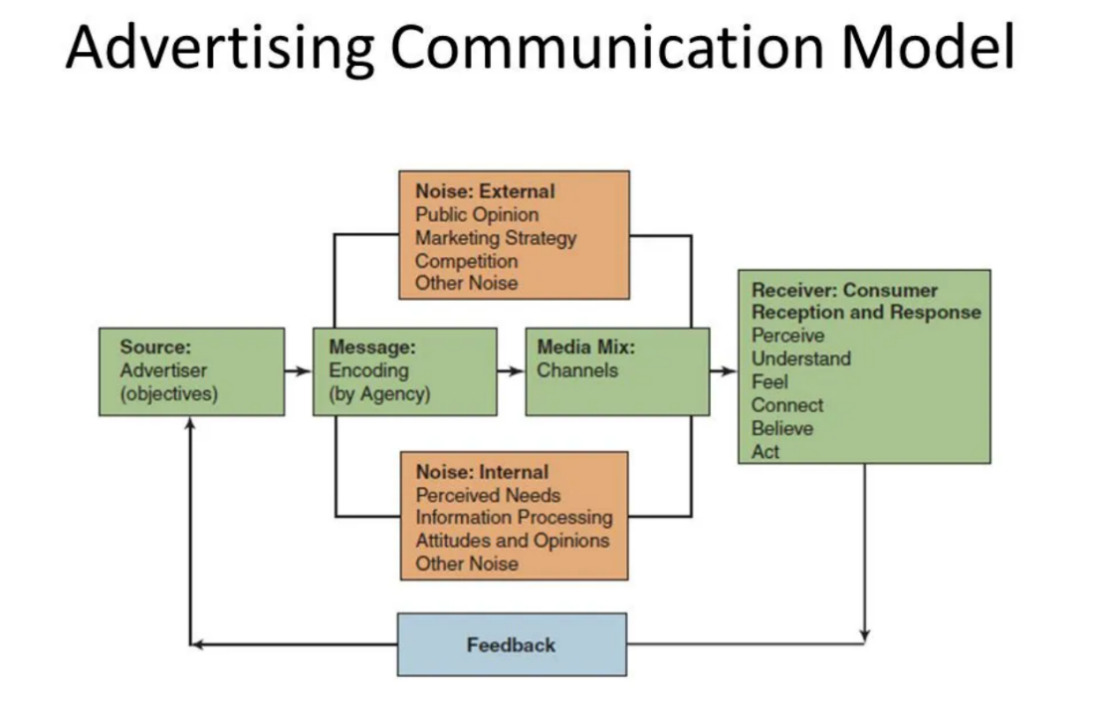
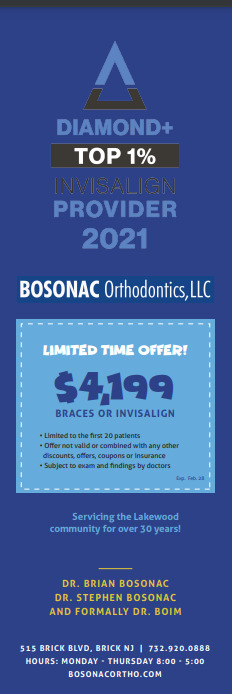
3) Apply the Advertiser Communication Model to Bosonac Orthodontics Voice Newspaper Advertisement (Who is the source, what is the channel, what is being encoded, who is the receiver, what is potential internal and external noises, and how is feedback attained?)
-
See Other Pedagogical Materials #2: Advertising Communications Model
-
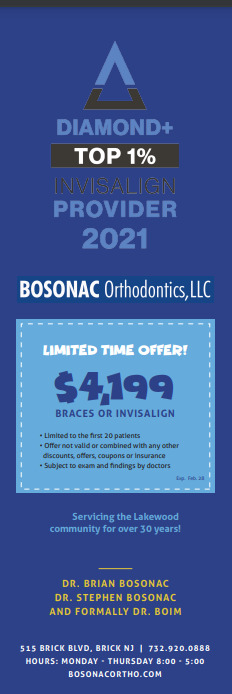
See Other Pedagogical Materials #3: Bosonac Orthodontics Newspaper Advertisement
Students should learn the components of the Advertiser Communication Model (seen in Pedagogical Materials #2) and apply them to the Bosonac Orthodontics newspaper advertisement (seen in Pedagogical Materials #3). See Table 4 for sample student answer.
Consumer behavior theory further informed student analysis, particularly concepts related to reference groups, trust formation, and social influence. Within the Orthodox Jewish community, purchasing decisions were heavily shaped by endorsements from trusted insiders and community institutions, increasing the importance of culturally aligned messaging and media vehicles that reduced perceived risk.
4) According to the Print Advertisement Key Elements Theory, which aspects of the Bosonac Orthodontics newspaper advertisement do you believe were present and effective? (Headline, Copy, Illustration, Signature). Also, formulate areas for improvement in the advertisement based upon the theory.
-
See Other Pedagogical Materials #3: Bosonac Orthodontics Newspaper Advertisement
-
See Other Pedagogical Materials #4: Print Ad Elements Theory
Students should learn the components of the Print Ad Elements Theory (seen in Pedagogical Materials #4) and apply them to the Bosonac Orthodontics newspaper advertisement (seen in Pedagogical Materials #3).
While the advertisement has effective aspects, there are also areas for improvement. The Print Advertisement Key Elements theory explained that print ads should contain a headline, copy, illustration, and signature. Headlines should be creative and command attention. Commonly, a pun, twist, alliteration, rhyme, buzz word or some other unique element is integrated into a headline.
Effective elements entail attention-getters, company longevity, and association with Orthodox Dentist Dr. Boim. The areas for improvement encompass formulating a more effective headline, utilizing visuals, and creating a stronger selling message.
Effective
-
Copy stressed urgency: The advertisement has several buzz words/attention getters to promote action. Consumers often need to be motivated to act soon and feel a sense of urgency.
-
“Limited Time Offer”
-
“Limited to first 20 patients”
-
“Exp Feb 28”
-
-
Copy revealed company longevity: Gnanapragasam et al. (2018) identified that most consumers consistently emphasized the importance of longevity and reliability when purchasing new products.
- “Servicing the Lakewood Community for over 30 years!”
-
Copy included association with Dr. Boim: Trust is a critical element to success in the Orthodox community. In this case, Dr. Boim’s presence in the advertisement signaled in-group endorsement, reducing perceived risk for Orthodox consumers who might otherwise avoid providers outside the community. The relationship that Dr. Bosonac forged with Dr. Boim was instrumental in gaining alliances with the community. Although Dr. Boim is now retired and Dr. Bosonac has completed their treatment plan, it is still important to inform prospective patients about their collaboration. However, this collaboration was not explained or clear.
- “Dr. Brian Bosonac and Formerly Dr. Boim’s Patients”
Ineffective
-
Lack of Headline: The top portion of a print ad typically has a powerful selling message or a creative hook to grab a customer’s attention. A headline should be added for future campaigns.
-
Lack of Illustration: Newspaper ads typically have poor production quality, which can deter a company from utilizing photos or graphics. However, this ad is totally void of any visual aid that could enhance the effectiveness. Dr. Bosonac should consider adding visual aids, specifically illustrations that resonate with Jews such as Hebrew or Yiddish words or phrases, or traditional Jewish symbols, such as the star of David or a menorah.
-
Unclear Copy: The selling message stated that Bosonac Orthodontics is a ^Diamond Top 1% Provider. This is a term that is only understood by those in the dental industry. While this is a feature of the practice, a clearer selling message should be added. It was listed in the case that Dr. Bosonac was named a NJ Monthly Magazine Top Dentist for the last 15 years. An example of a more effective message is “Awarded NJ Top Dentist in New Jersey for 15 consecutive years.”
-
Signature: The advertisements lack a logo/signature.
5) Assess the decision to select The Voice as a primary marketing vehicle. What are the pros and cons of newspaper advertising and how do they relate to Bosonac Orthodontics The Voice newspaper campaign?
-
See Other Pedagogical Materials #3: Bosonac Orthodontics Newspaper Advertisement
-
See Other Pedagogical Materials #5: Pros and Cons of Newspaper Advertisements
Students should learn the pros and cons of newspaper advertisements (seen in Pedagogical Materials #5) and apply them to the Bosonac Orthodontics newspaper advertisement (seen in Pedagogical Materials #3).
It is important to understand the pros and cons of marketing mediums. A positive aspect of newspapers, as seen in Other Pedagogy Materials #5, is trust. Gaining trust in the Orthodox community can be difficult, but utilizing a credible source, such as The Voice, will assist in building goodwill. Next, the positive aspect of heritage applies as The Voice is a long-standing credible publication in the Orthodox community. The Voice has a 20-year heritage. Finally, the pro of targeting is applicable. The Voice was selected due to their niche Orthodox subscriber base. The pro of digital extensions is not applicable in this case, as the community was technology averse.
While newspaper advertisements offer positive attributes, various disadvantages exist. One of the most significant cons is the decrease in readership. In today’s digitally based world, consumers receive their news online in real time. However, this disadvantage was mitigated due to the lack of technology used in the Orthodox community. Poor image quality and short shelf life are disadvantages that exist in this case and cannot be easily rectified.
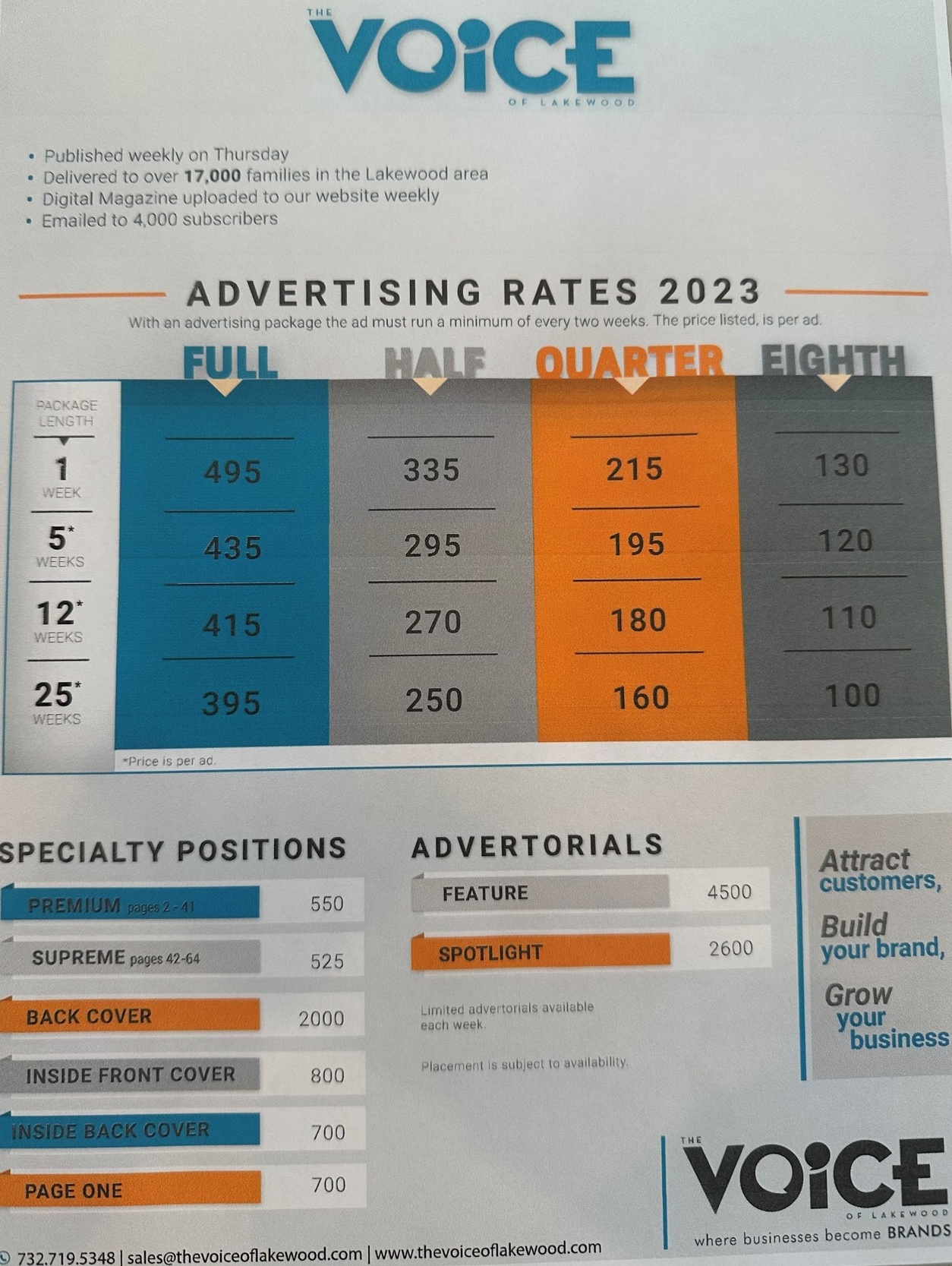
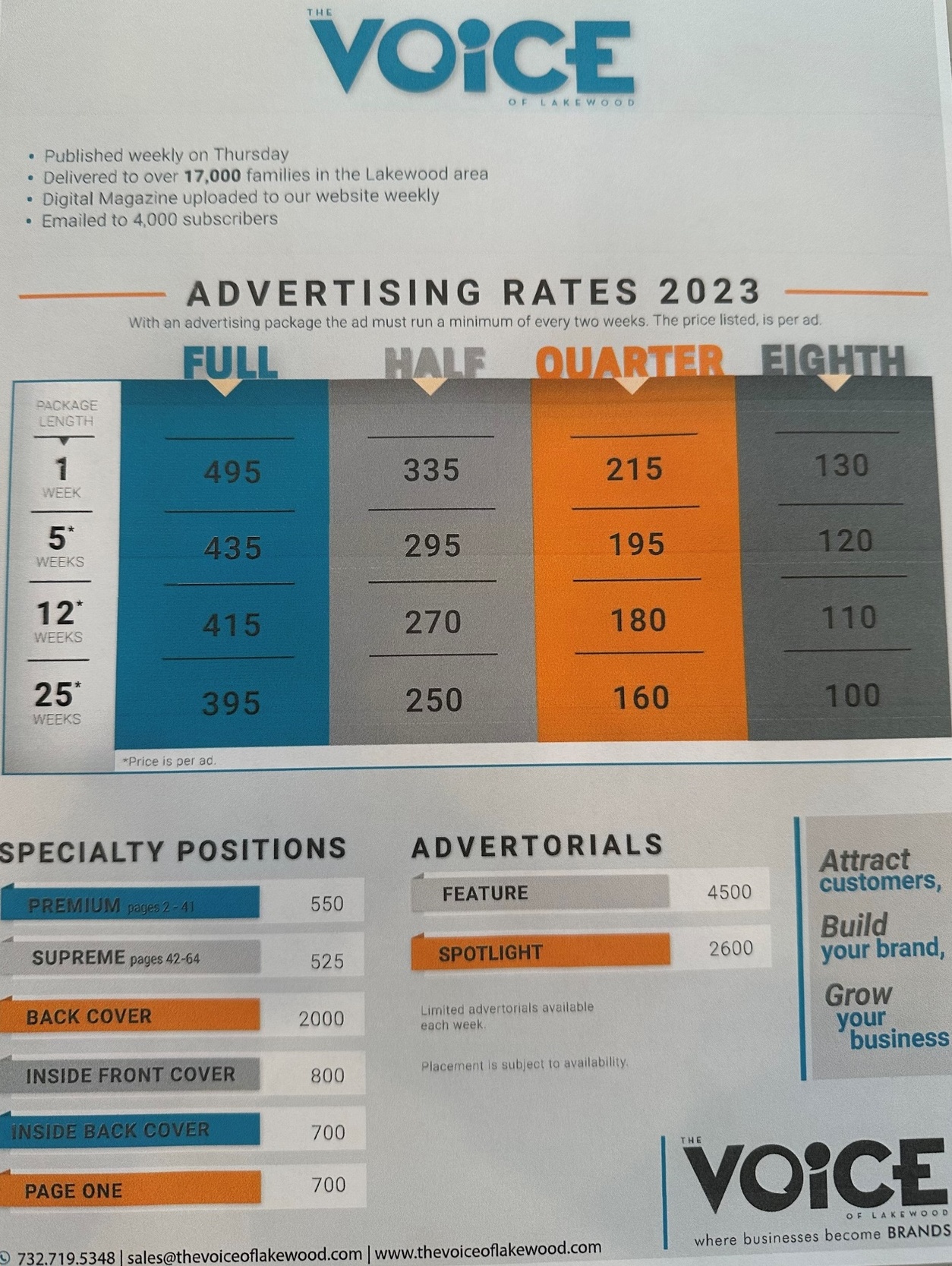
6) The Voice, and most newspapers, offer a variety of options for advertiser customization when purchasing advertising space. What options are available and how does this provide flexibility for the marketer?
- See Other Pedagogical Materials #6 for Newspaper Pricing Packages
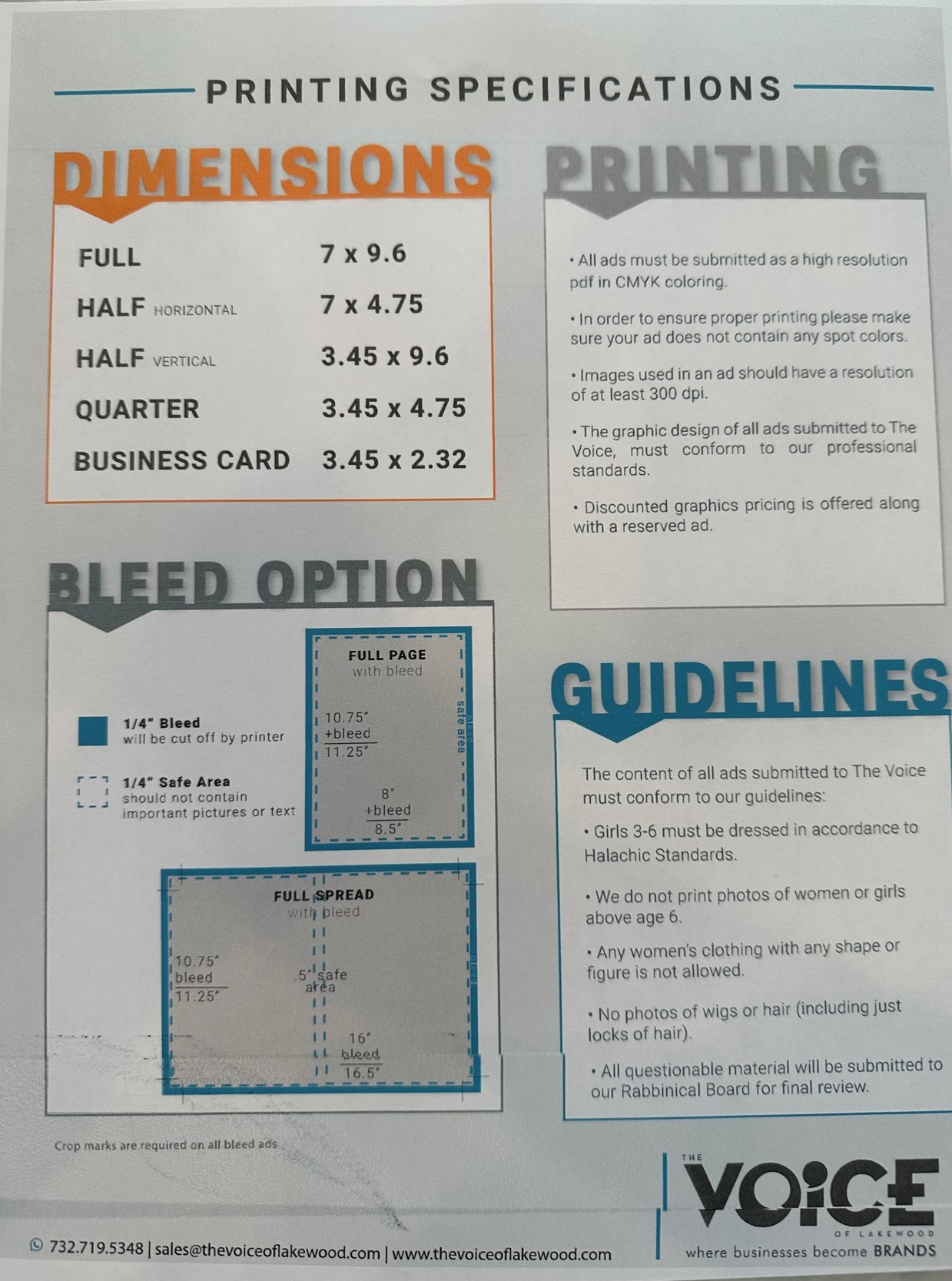
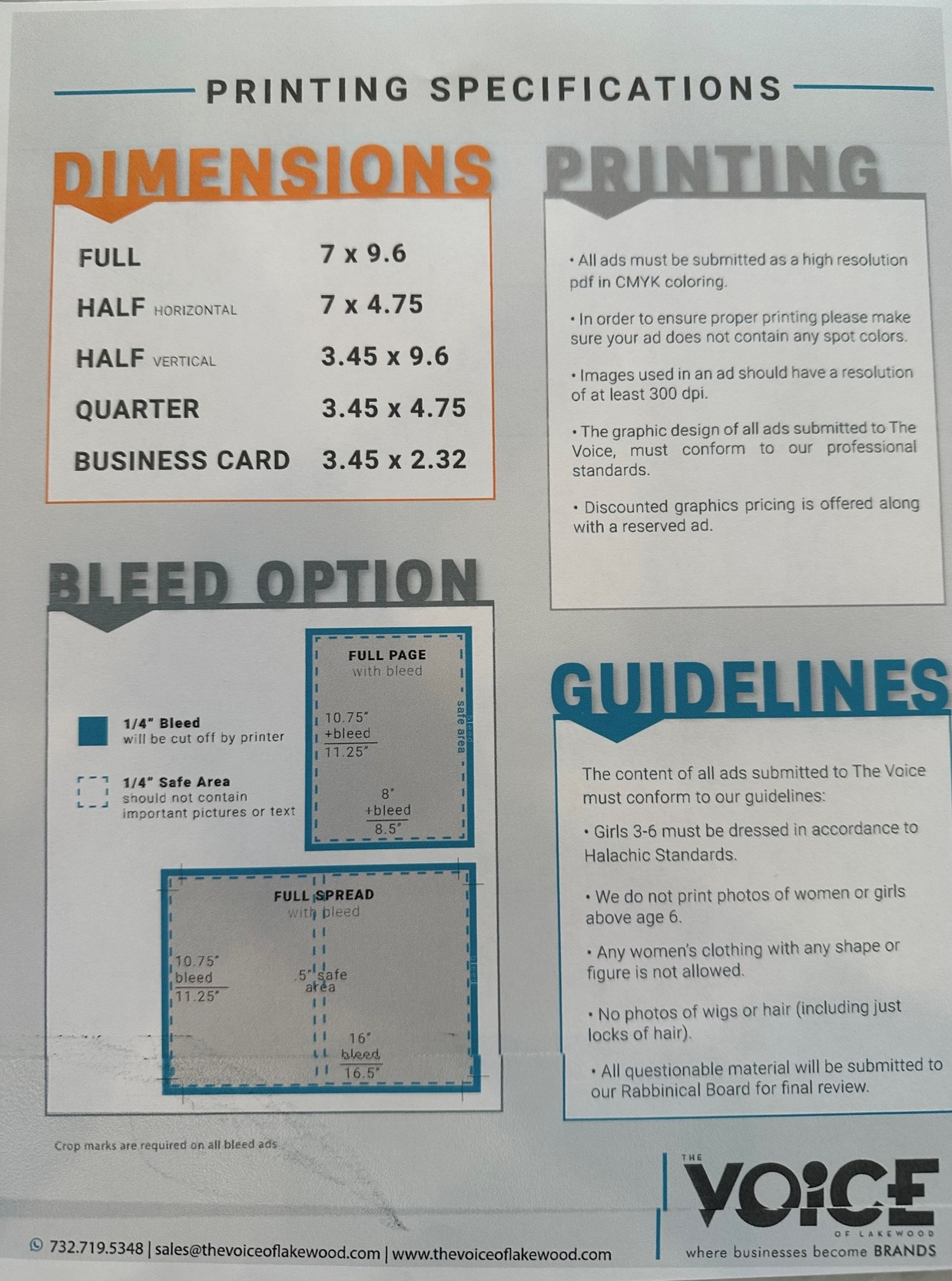
Students should view The Voice advertising rates and options (seen in Pedagogical Materials #6) to learn more about options for customization. This will provide students with the opportunity to consider the factors that a marketer would need to select when purchasing advertising space.
Students should identify variables for customization such as package length, ad size, specialty positions, and advertorials.
Ad Size
Students should consider the sizes of ads: full, half, quarter, and eighth.
Specialty Positions
The Voice offers various specialty positions entailing back cover, front cover, page one, and more.
Advertorials
A feature advertorial is $4500, and a spotlight is $2600. This may also be an opportunity for the educator to introduce new terms such as bleed rates, advertiser wear out, reach, and frequency.
Package Length
The educator could discuss the pros and cons of shorter verses longer package lengths and new vocabulary terms such as advertising wear-out and frequency.
7) Role-Play Marketing Strategy Exercise
Students are divided into small groups and assigned the role of a marketing consulting team hired by Bosonac Orthodontics. Each group is responsible for proposing and defending a recommended marketing strategy addressing target market selection, positioning, and promotional execution.
Groups should justify their recommendations using:
-
Segmentation criteria (e.g., measurability, accessibility, substantiality, differentiability, actionability),
-
Consumer behavior insights related to trust, reference groups, and cultural norms, and
-
Promotional strategy and media selection frameworks discussed in the case.
Suggested role assignments may include:
-
Group A: Advocates for exclusively targeting the Orthodox Jewish community
-
Group B: Advocates for a dual-target strategy serving both Orthodox Jewish and traditional American families
-
Group C: Advocates for refocusing on traditional American families with increased digital marketing investment
Each group should prepare a brief presentation (3–5 minutes) outlining their strategic rationale, followed by a class discussion comparing the trade-offs, risks, and long-term implications of each approach.
Conclusions
As a result of this case, students gained hands-on experience applying marketing concepts such as segmentation, target marketing, and advertising to a real-life situation. The case was grounded in theoretical frameworks, including the Advertiser Communication Model and the Print Advertisement Key Elements Theory. Overall, the case enabled students to apply Kotler’s segmentation and target market selection frameworks.
Other Pedagogical Materials #1: Target Market Selection Model
Identifying the requirements for effective market segmentation allows companies to create marketing campaigns that are essential for their growth and development. (CommenceCRM , 2023). The five criteria for effective market segmentation are measurable, accessible, substantial, differentiable, and actionable. See table 5 for criteria and description.
Other Pedagogical Materials #2: Advertising Communications Model
Advertising is non audio-visual form of marketing that engages an open, non-personal message to promote a product or a service. (Intactone., 2020). Advertising communication can be defined as a perception process of the source, a message, a communication channel, and a receiver (Intactone, 2020). See Figure 1 for the Advertising Communication Model. (Intactone., 2020).
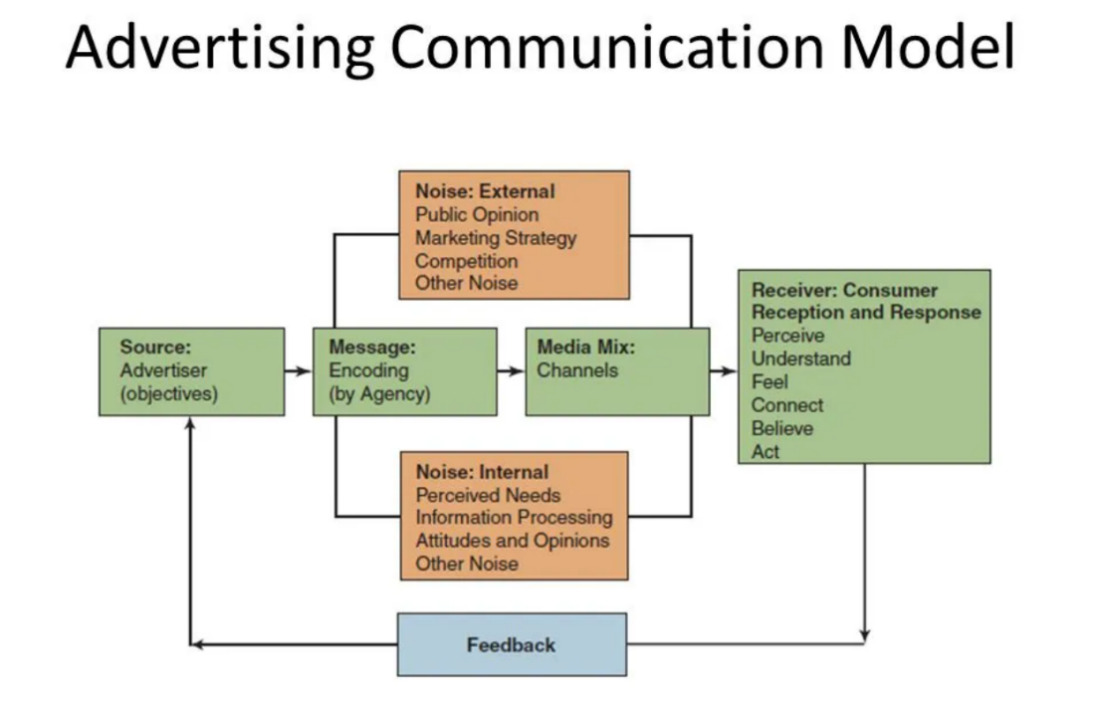
Source: The source is the original source of the message or the advertiser.
Message/Encoding: The encoder refers to the transmitter that converts the message into signals. Encoding the message turns it into a form which can be transmitted, written, oral, visual or a combination of two or more. Encoding is communicating the message in comprehensible terms for the customer.
Questions to ask could entail:
-
Does it need to be broken down or simplified for the receiver to understand it?
-
Do the sender and receiver use the same language, or will some form of translation or interpretation be needed?
Channel: The channel is how the message is conveyed. Traditional marketing channels could include magazines, television, newspapers, direct mail, and more. Digital marketing channels could include social media platforms, SMS messaging, email marketing, and more.
Receiver/Decoding: The receiver is the source who is exposed to the message. The source decodes the communication. Decoding is the process of turning communication into thoughts. Decoding refers to how consumers will understand marketing communication. Keep in mind that some ads do not include a lot of copy (text), so they often must draw conclusions or will use their existing perceptions.
Noise: Noise is anything which can alter or distort the message meant for the receiver. Internal noise includes personal attitudes or opinions or information processing whereas external noise could relate to clutter or other advertisements that distract the receiver, public opinion, or competition.
Feedback: Feedback in communication is the valuable information or response conveyed from the receiver back to the sender of a message. It helps in conveying how well the message was understood and received. Feedback is a crucial element in communication as it enables the sender to evaluate and adjust their message accordingly. (Sone, 2022). Analytic data could be utilized to determine feedback For example, how many customers were generated from this communication.
Other Pedagogical Materials #3: Bosonac Orthodontics Newspaper Advertisement
Other Pedagogical Materials #4: Print Advertisement Key Elements Theory
The Advertisement Key Elements Theory outlines four elements that should be present in effective prints ads. These components entail a headline, copy, illustration, and signature. See Table 6 for descriptions.
Other Pedagogical Materials #5: Pros and Cons of Newspaper Advertising
Newspapers offer positive and negative aspects. It is important for students to understand so they can weigh the pros and cons of this marketing medium. See Table 7 for the positive attributes of newspaper advertisements.
Other Pedagogical Materials #6: Newspaper Pricing Packages: Page 1
Other Pedagogical Materials #6: Newspaper Pricing Packages: Page 2
References:
Bosonac, B. (2023, January 15). Personal communication [Personal interview].
Camer, P, (2021). Orthodox areas are among the fastest growing in New York and New Jersey, census data shows. https://www.jta.org/2021/08/18/ny/orthodox-areas-are-among-the-fastest-growing-in-new-york-and-new-jersey-census-data-shows
Elliott, C. (2017). Pros and cons of newspaper advertising. https://info.zimmermarketing.com/blog/pros-and-cons-of-newspaper-advertising
Freeman, T. (2023). 17 facts everyone should know about Hasidic Jews. https://www.chabad.org/library/article_cdo/aid/4079238/jewish/17-Facts-Everyone-Should-Know-About-Hasidic-Jews.htm
Gnanapragasam, A., Cole, C., Singh, J., & Cooper, T. (2018). Consumer perspectives on longevity and reliability: A national study of purchasing factors across eighteen product categories. Procedia CIRP, 69, 910–915. https://doi.org/10.1016/j.procir.2017.11.151
Intactone. (2020). Communication model with reference to advertising. https://theintactone.com/2019/03/24/imc-u2-topic-5-communication-model-with-reference-to-advertising/
Kotler, P., & Keller, K. L. (2016). Marketing Management (15th ed.). Pearson.
McGraw-Hill Education. (2015). Marketing essentials (1st ed.). Glencoe McGraw-Hill.
Nielsen,. (2021). Truth in advertising. https://www.nielsen.com/wp-content/uploads/sites/2/2021/11/2021-Nielsen-Trust-In-Advertising-Sell-Sheet.pdf
Pew Research Center. (2015). A portrait of American Orthodox Jews. https://www.pewresearch.org/religion/2015/08/26/a-portrait-of-american-orthodox-jews/
Posner, M. (2023). What is shabbat? https://www.chabad.org/library/article_cdo/aid/633659/jewish/What-Is-Shabbat.htm
Sone, A. (2022). What is feedback in communication process with examples.